Science Featured
How Can You Protect Your Cells From Aging?(URL)
Nature
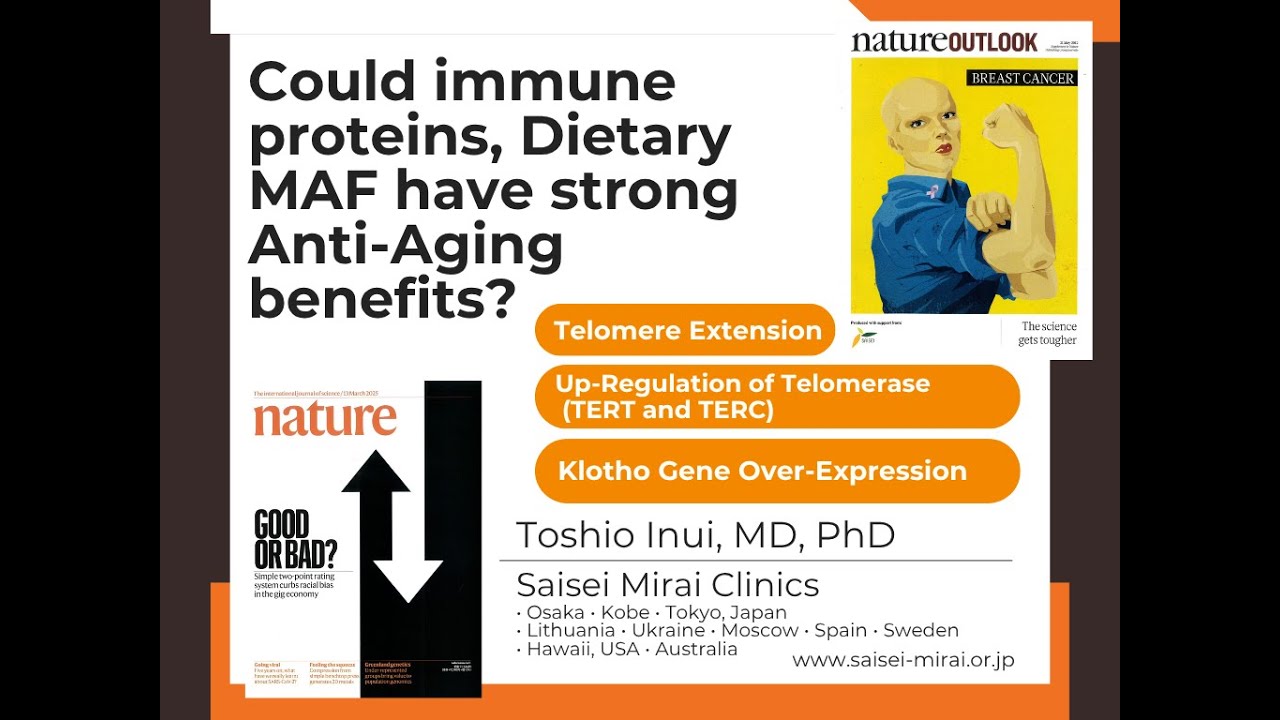
Could immune proteins have anti-ageing benefits? (URL)
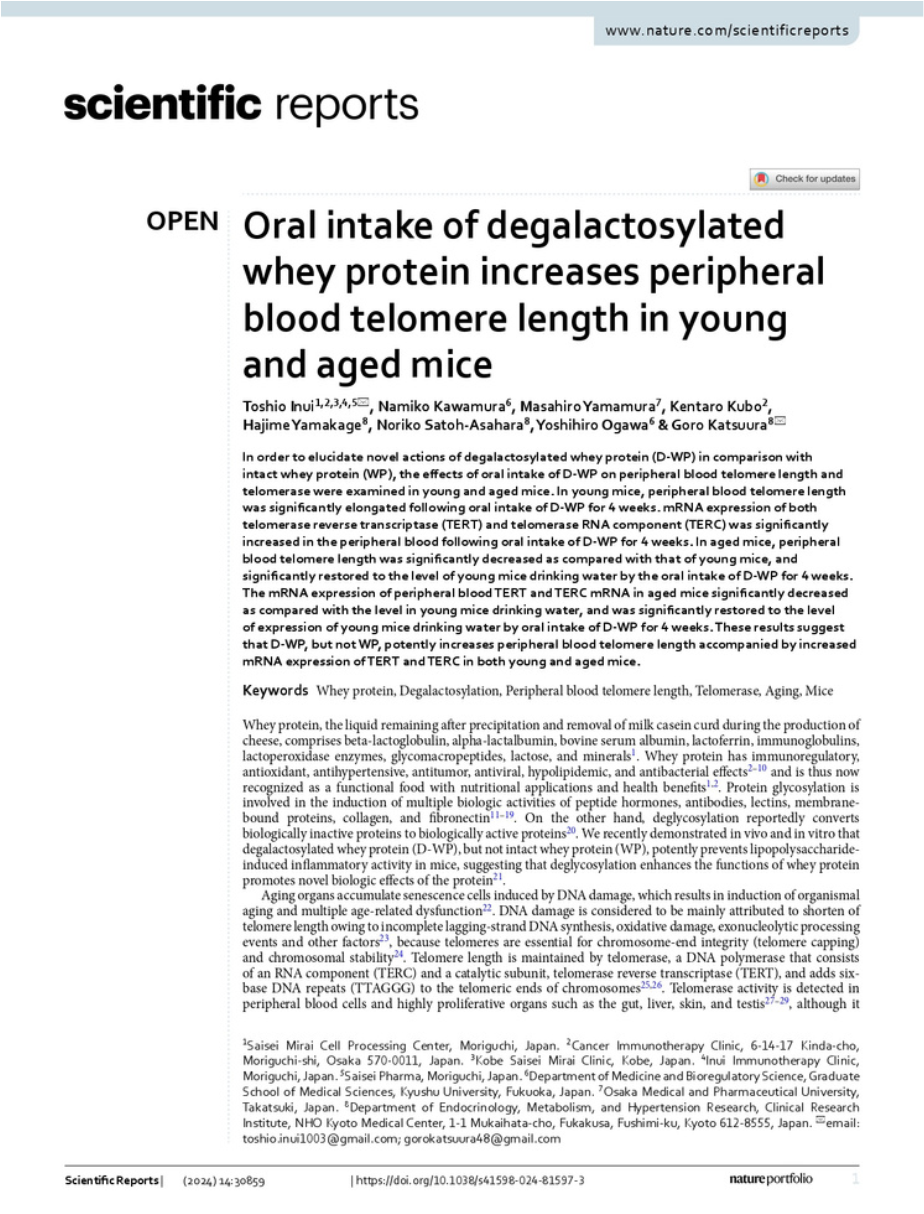
scientific reports
Oral intake of degalactosylated
whey protein increases peripheral
blood telomere length in young
and aged mice (URL)
Nutrients
The Effects of Dietary Intervention and Macrophage-Activating
Factor Supplementation on Cognitive Function in Elderly Users
of Outpatient Rehabilitation(URL)
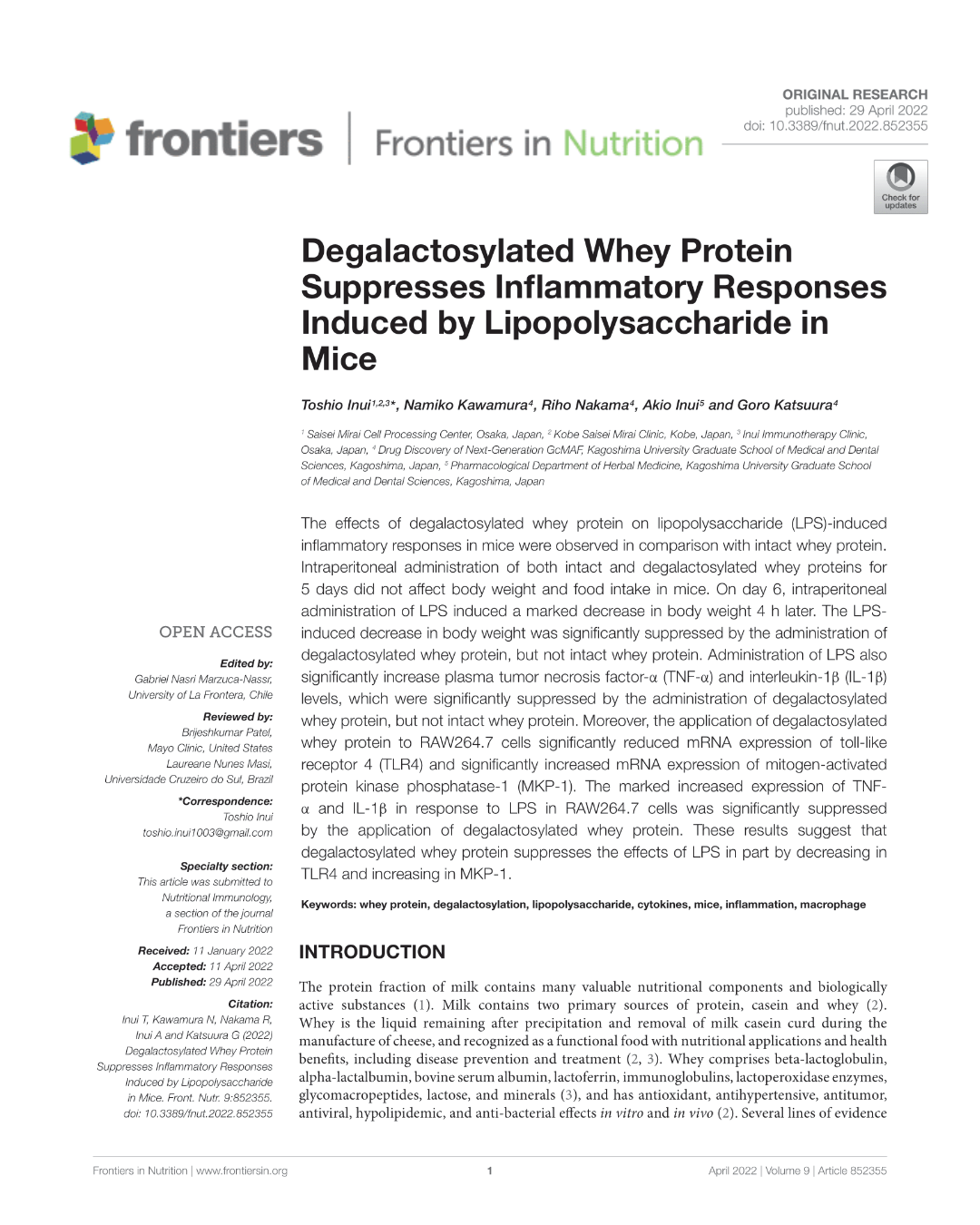
frontiers in Nutrition
Degalactosylated Whey Protein Suppresses Inflammatory Responses Induced by Lipopolysaccharide in Mice(URL)
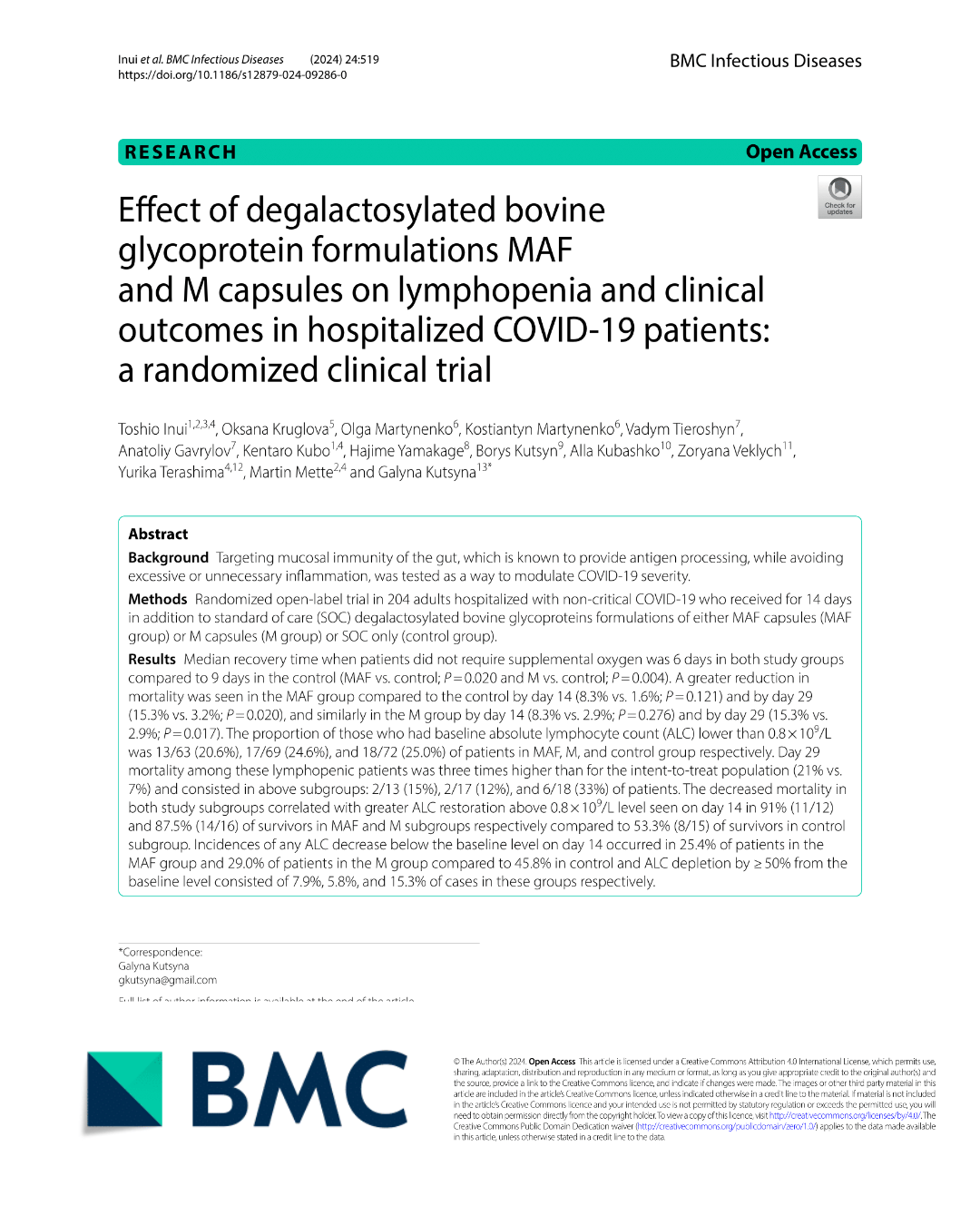
SPRINGER NATURE
The Effect of MAF Capsules and M Capsules on Lymphopenia and Clinical Outcomes in Non-Critical Hospitalized COVID-19 Patients (URL)
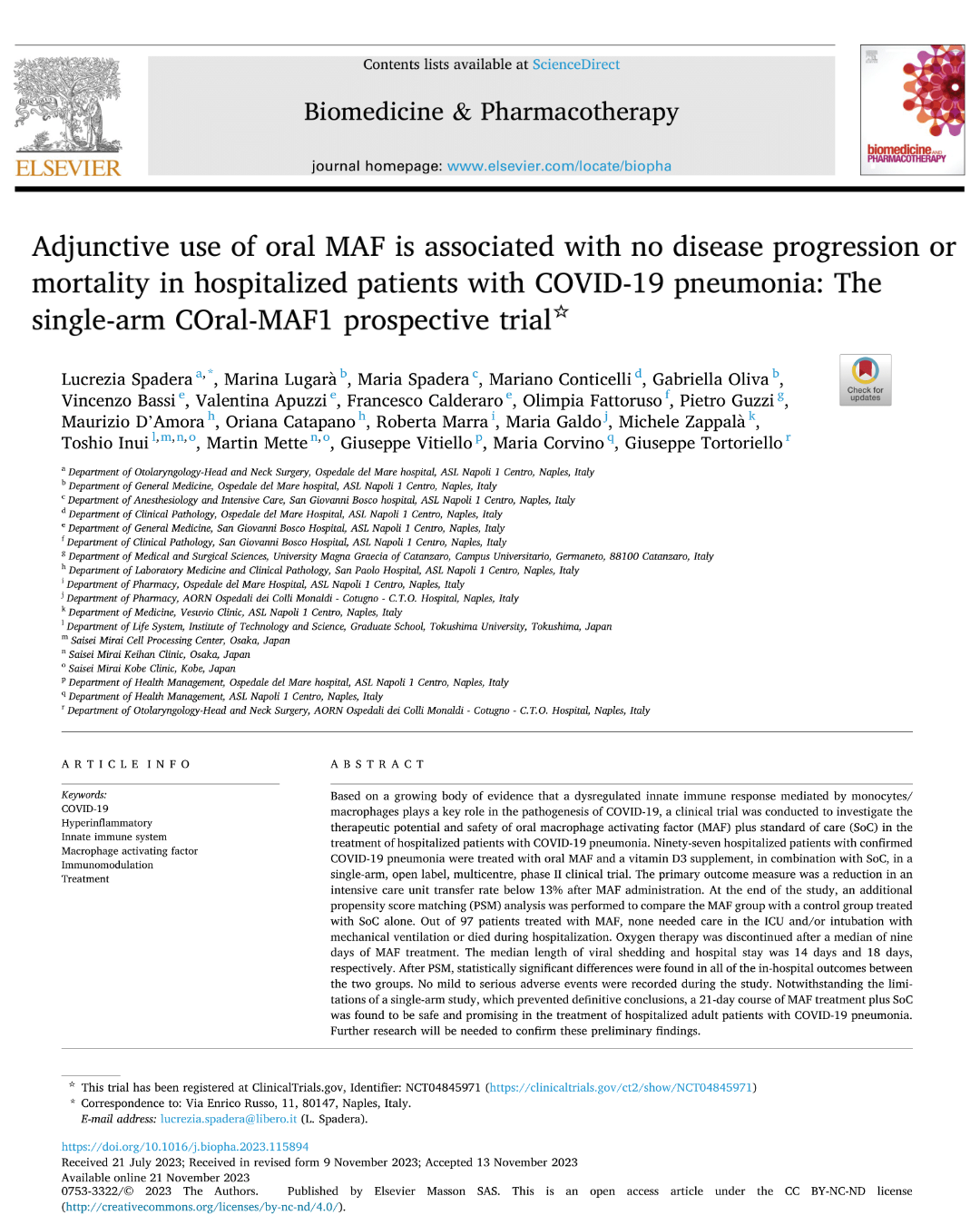
ScienceDirect
Adjunctive use of oral MAF is associated with no disease progression or mortality in hospitalized patients with COVID-19 pneumonia: The single-arm COral-MAF1 prospective trial (Italy) (URL)
The Lancet SSRN Preprints
The Effect of MAF Capsules and M Capsules on Lymphopenia and Clinical Outcomes in Non-Critical Hospitalized COVID-19 Patients (URL)
US National Library of Medicine, NIH clinical trial
Trial Efficacy of Saisei Pharma Dietary Supplements MAF Capsules, 148 mg and M Capsules, 148 mg in Hospitalized COVID-19 Patients (SaiseiCovUKR) (URL)
The clinical trial using MAF hospitalized COVID-19 patients in Ukraine
In June 2020 we applied to the COVID-19 Scientific Technical Triage of the US FDA for the evaluation of the rationale to study the efficacy of MAF Capsules in COVID-19 treatment. The US FDA in PreIND 151946 meeting response recommended a small proof of concept (POC) study as the initial step prior to the large-scale trial be run. The US FDA indicated recommendations including the major study endpoints addressing the investigation of MAF Capsules efficacy as a potential new drug was implemented in the proposed study design. The recommended efficacy endpoints were also implemented in the open-label randomized clinical trial that started in Ukraine in November 2020 to assess the efficacy and safety of dietary supplements MAF Capsules, 148 mg and M Capsules, 148 mg in addition to standard of care (SOC) compared with SOC in the treatment of hospitalized non-critical COVID-19 patients. (PDF)
Potential role of GcMAF in suppressing the severity of COVID-19-induced immune responses: Lesson learned from HIV
The hypothesis: Based on the aforementioned findings and on documented analogies between SARS-CoV-2 and HIV, we hypothesized that the reduced conversion activity of the Gc protein (human group-specific component (Gc)) into the macrophage activating factor (MAF) could have a key role in the dysregulate immune response induced by SARS-CoV-2, just like for HIV infected patients. If this hypothesis is correct, it might help to set a valid strategy of immunotherapy also based on an off-label use of GcMAF in critically ill COVID-19 patients. (URL)
Rationales of GcMAF as a therapeutic target for SARS-CoV-2
The fact that around 96% of patients recover from the infection despite there being no antiviral therapeutics that specifically target human coronaviruses suggests that the human immune system has mechanisms to combat SARS-CoV2. (PDF)
Nature International weekly journal of science
GcMAF: our next-generation immunotherapy (PDF)
Development of colostrum MAF and its clinical application
(PDF)
Research paper
2016 Case Report: GcMAF Treatment in a Patient with Multiple Sclerosis
ANTICANCER RESEARCH 36: 3771-3774 (2016) (PDF)
About the Sonodynamic and Photodynamic Therapy (3 papers)
[Sonodynamic and Photodynamic Therapy in Advanced Breast Carcinoma (PDF)]
[Activated Cancer Therapy Using Light and Ultrasound – A Case Series of
Sonodynamic Photodynamic Therapy in 115 Patients over a 4 Year Period (PDF)]
[Objective Outcome Measures Following Sonodynamic Photodynamic Therapy (PDF)]
Cancer Immune Therapy in Clinic
(PDF)
Macrophages Exhibit a Large Repertoire of Activation States via Multiple Mechanisms of Macrophage-activating Factors
(PDF)
Case Report: GcMAF Treatment in a Patient with Multiple Sclerosis
(PDF)
Case Report: A Non-small Cell Lung Cancer Patient Treated with GcMAF, Sonodynamic Therapy and Tumor Treating Fields
(PDF)
Oral Colostrum Macrophage-activating Factor for Serious Infection and Chronic Fatigue Syndrome: Three Case Reports
(PDF)
Degalactosylated/Desialylated Bovine Colostrum Induces Macrophage Phagocytic Activity Independently of Inflammatory Cytokine Production
(PDF)
Establishment of a Macrophage-activating Factor Assay System Using the Human Monocytic Cell Line THP-1
(PDF)
A Novel Assay System for Macrophage-activating Factor Activity Using a Human U937 Cell Line
(PDF)
Macrophage Activation Mechanisms in Human Monocytic Cell Line-derived Macrophages
(PDF)
Case Report: A Breast Cancer Patient Treated with GcMAF, Sonodynamic Therapy and Hormone Therapy
(PDF)
Evaluation of the Sonosensitizing Activities of 5-Aminolevulinic Acid and Sn(IV) Chlorin e6 in Tumor-bearing Chick Embryos
(PDF)
Clinical Experience of Integrative Cancer Immunotherapy
(PDF)
Degalactosylated/Desialylated Human Serum Containing GcMAF Induces Macrophage Phagocytic Activity and In Vivo Antitumor Activity
(PDF)
GcMAF : our next generation immunotherapy
(PDF)
Clinical Experience of Integrative Cancer Immunotherapy
(PDF)
Degalactosylated/Desialylated Human Serum Containing GcMAF Induces Macrophage Phagocytic Activity and In Vivo Antitumor Activity
(URL)
Evaluation of the Sonosensitizing Activities of 5-Aminolevulinic Acid and Sn(IV) Chlorin e6 in Tumor-bearing Chick Embryos
(PDF)
Helicobacter pylori infection is associated with colon adenomatous polyps detected by high-resolution colonoscopy
(PDF)
HER-2 overexpression and targeted treatment by trastuzumab in a very old patient with gastric cancer
(PDF)
Helicobacter pylori cytotoxin: A novel ligand for receptor-like protein tyrosine phosphatase ß (Review)
(URL)
Leptin treatment ameliorates anxiety in ob/ob obese mice
(URL)
Orexin reverses cholecystokinin-induced reduction in feeding
(URL)